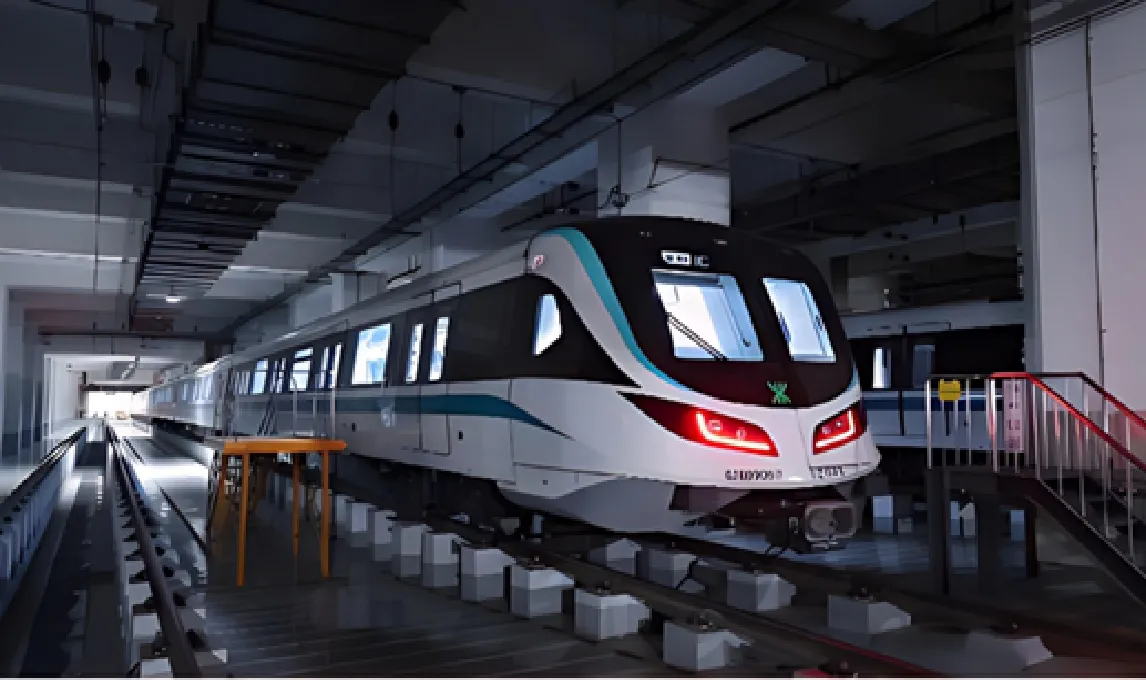
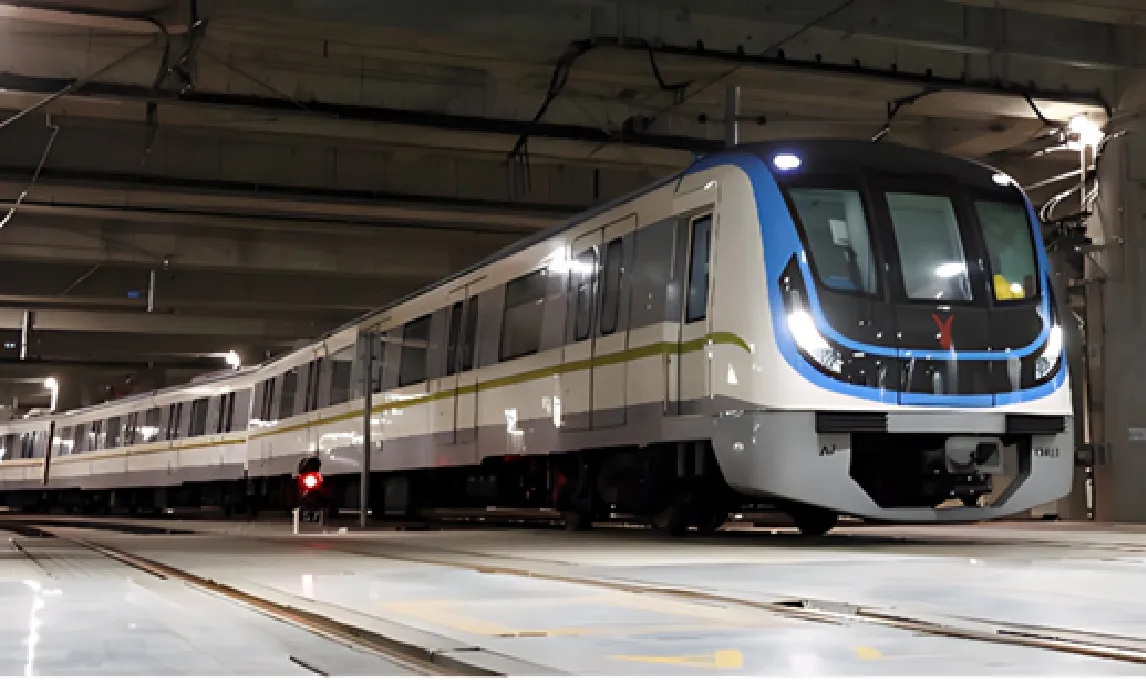
A Railway Fire Door is an essential safety feature in modern railway vehicles, ensuring fire protection, containment, and passenger safety in case of emergencies. These doors are specifically designed to meet stringent fire safety standards, preventing the spread of fire and smoke between compartments in train carriages.
A Railway Fire Door is a fire-resistant barrier installed in trains and railway stations, designed to withstand high temperatures and limit the spread of fire during an emergency. These doors are usually constructed from specialized fire-resistant materials like steel or composite panels, ensuring they maintain structural integrity under extreme heat.
There are several types of railway fire doors
Fire-rated doors: Doors designed to prevent fire from spreading for a specified period, usually 30, 60, or 90 minutes.
Smoke-resistant doors: These doors also seal gaps to prevent the movement of smoke, which is just as dangerous as fire in confined spaces.
Escape doors: Equipped with specific hardware and design to facilitate rapid evacuation in case of a fire emergency.
Fire Resistance Rating Of Railway Fire Doors
Fire resistance rating (fire resistance limit) is the core indicator for evaluating the performance of fire doors. It refers to the time it takes for a fire door to lose its integrity and insulation properties under standard fire resistance test conditions. The railway system mainly uses the following ratings:
Class A Fire Doors: Fire resistance limit ≥ 1.5 hours (90 minutes)
Applications: Used in the most critical fire-resistant partitions, such as evacuation routes through high-speed rail stations and subway stations, walls between equipment management rooms, and ventilation shafts in underground stations.
Class B Fire Doors: Fire resistance limit ≥ 1.0 hour (60 minutes)
Applications: The most common. Used in stairwells, elevator lobbies, entrances to equipment rooms, and partitions in long internal corridors.
Class C Fire Doors: Fire resistance limit ≥ 0.5 hours (30 minutes)
Applications: Used as inspection doors in pipe shafts and cable shafts, primarily to prevent the spread of fire along vertical shafts.
Material Types & Their Advantages/Disadvantages
Railway environments demand materials with exceptional durability, stability, and strength. The primary materials used are as follows:
| Material Type | Advantages | Disadvantages | Primary Railway Applications |
| Steel Fire Doors | Extremely high strength, excellent durability, reliable fire performance, and easy maintenance. The dominant choice for railway systems worldwide. | Heavy weight, thermal insulation depends on core fillings, limited aesthetic variety. | Virtually all scenarios, especially high-traffic areas (platform exits, waiting halls), equipment rooms, and depot garages. |
| Stainless Steel Fire Doors | Possess all the advantages of steel doors, with superior corrosion resistance and no rusting. | Highest cost option. | Ideal for high-humidity or corrosive environments, such as coastal stations, subway tunnels, underground stations, and areas near chemicals. |
| Timber / Steel-Framed Timber Doors | Superior aesthetics, warmer feel, and better integration with interior decor. | Less resistant to impact and environmental moisture compared to steel. | Primarily used in office areas, VIP lounges, and non-critical areas where interior design is a priority. Less common in core railway areas. |
| Specialized Fire-Rated Glass Doors | Transparent, modern appearance, allows for light transmission and visual oversight. | High cost, requires high-performance frames and specialized glass technology. | Used where both fire separation and visual transparency are required, such as retail shop fronts within stations or observation windows in control centers. |
4. Specific Application Scenarios
Railway fire doors are critical safety components throughout the entire rail system. Key locations include:
Inside Station Buildings:
Emergency Escape Routes: Doors protecting stairwells and their lobbies – vital barriers for life safety passages.
Equipment Rooms: Entrances to critical facilities like substations, communication rooms, fire pump rooms, and HVAC plants, preventing fire from damaging essential equipment.
Commercial Area Separation: Creating fire compartments between retail units and public waiting areas.
Shaft Openings (Pipe/Cable): Fitted with lower-grade fire-rated access doors to prevent vertical fire spread.
Underground Tunnels & Subways:
Cross Passage Doors / Escape Passageways: Doors located between parallel tunnels or leading to safe areas. These serve as lifelines for emergency evacuation inside tunnels.
Passageways within underground station equipment areas.
Depots & Maintenance Facilities:
Rolling Stock Depots / Parking Garages: Large fire compartment partitions within maintenance and storage buildings.
Hazardous Material Storage Rooms: Entrances to areas storing paints, fuels, etc.
Offices and equipment rooms within maintenance workshops.
We are a professional manufacturer of fire-rated doors and frames. Longhui Sanhe fire-resistant doors looks forward to cooperating with you. Contact us to customize suitable railway fire door projects.