Introduction
Fire Door Classification is crucial for safety in buildings. Choosing the right fire door can prevent the spread of fire and save lives. There are various types of fire doors, and understanding their classifications is vital. Fire door ratings define their effectiveness during a fire. Many people do not know that different materials and designs play significant roles in fire door performance. Are you aware of how to select the best fire door for your needs? 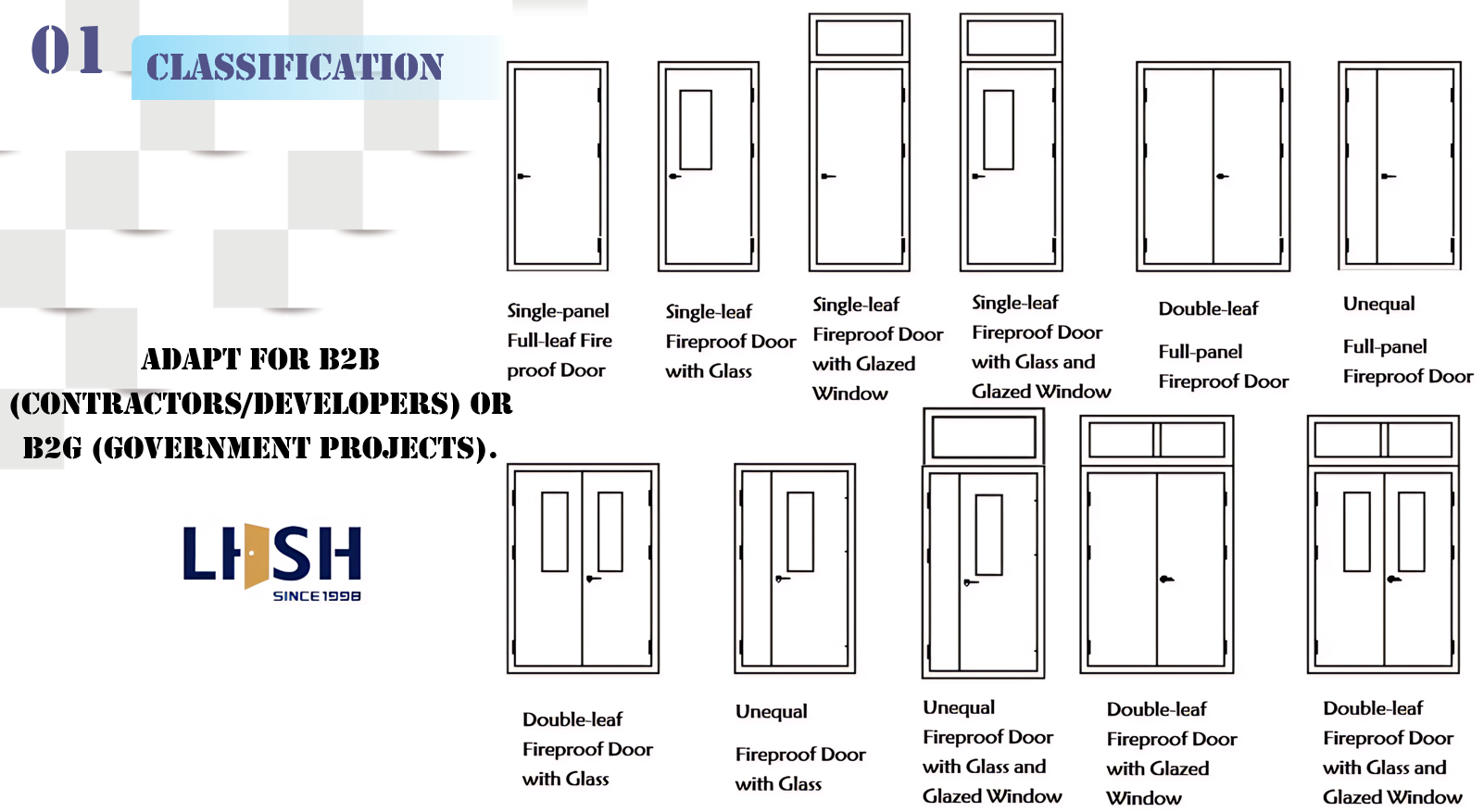
Summary Answer
Fire door classification is based on their fire resistance ratings, which determine how long they can withstand a fire. Common classifications include 20, 45, 60, and 90 minutes. These ratings help you choose the appropriate fire door for different safety requirements.
1. Types of Fire Doors
1.1. Hollow Core Fire Doors
Hollow core fire doors are lightweight and designed for interior use. They can provide up to 90 minutes of fire resistance. These doors often consist of a honeycomb structure that adds strength without extra weight.
1.2. Solid Core Fire Doors
Solid core fire doors provide better fire resistance than hollow core doors. They typically have a solid wood or composite core, allowing them to resist flames for up to 90 minutes. Their robust nature often makes them suitable for exterior applications.
1.3. Steel Fire Doors
Steel fire doors are ideal for high-security areas. They usually offer greater durability and can withstand temperatures over 1500 degrees Fahrenheit. These doors provide fire resistance ratings from 20 to 180 minutes.
1.4. Glass Fire Doors
Glass fire doors provide a combination of aesthetics and safety. They must be specially treated to resist fire effectively. Their ratings typically reach up to 60 minutes, making them suitable for areas that require visibility without compromising safety.
2. Fire Door Ratings
2.1. 20-Minute Fire Doors
These doors are suitable for areas where quick exit is necessary. They are often used in small commercial buildings or low-risk residential applications.
2.2. 45-Minute Fire Doors
Commonly used in larger commercial buildings, these fire doors are effective in protecting corridors and exit routes. They offer a good compromise between safety and cost.
2.3. 60-Minute Fire Doors
This rating is often required in more hazardous environments. It safeguards critical areas like stairwells or elevators.
2.4. 90-Minute Fire Doors
90-minute fire doors are necessary for high-risk areas, including data centers and laboratories. They provide the highest level of fire resistance.
3. Choosing the Right Fire Door
3.1. Assessing Fire Risk
Before selecting a fire door, assess the potential fire risks in the area. This analysis will guide you in choosing the appropriate fire rating.
3.2. Building Codes
Local building codes often dictate the type of fire door required in specific areas. Familiarize yourself with these regulations to ensure compliance.
3.3. Professional Installation
Ensuring a proper installation is essential for fire doors to function correctly. Hire a certified professional to meet safety standards.
Conclusion
Understanding fire door classification is essential for ensuring safety in various buildings. The classifications define their effectiveness against fire, helping you select the right types for your needs. By knowing the differences in ratings and types, you can make informed choices that protect lives and property. Fire door classification is more than just a label; it's a critical aspect of fire safety.
FAQ
1. What is a fire door?
A fire door is a special door designed to resist fire and prevent its spread.
2. How long do fire doors last?
Fire doors have ratings indicating how long they can withstand fire, typically from 20 to 90 minutes.
3. What are the different types of fire doors?
There are hollow core, solid core, steel, and glass fire doors, each serving unique needs.
4. Do fire doors need special maintenance?
Yes, fire doors require regular inspections to ensure they are functioning properly and meet safety standards.
5. Can I install a fire door myself?
It is recommended to hire a professional for installation to comply with safety regulations.